
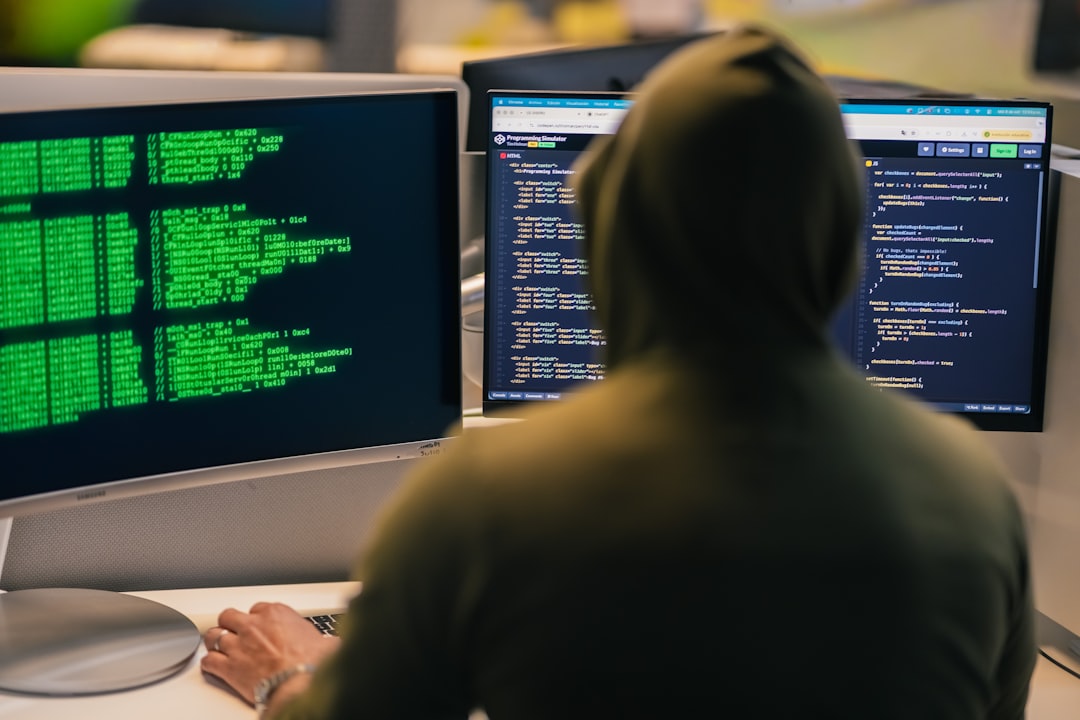
Digital Forensics: Investigating Cyber Incidents and Preserving Evidence
Bottom Line Up Front
Digital forensics is your incident response team’s CSI toolkit — the systematic process of collecting, preserving, and analyzing digital evidence when security incidents occur. Beyond the Hollywood portrayal, digital forensics is a compliance-critical capability that determines whether you can contain incidents effectively, meet regulatory breach notification requirements, and defend your organization in potential litigation.
Multiple compliance frameworks mandate digital forensics capabilities as part of incident response requirements. SOC 2 expects you to investigate security incidents and preserve evidence. ISO 27001 requires incident analysis and evidence collection procedures. HIPAA demands forensic investigation of potential PHI breaches within 60 days. NIST CSF positions forensics as core to the “Respond” function. PCI DSS requires forensic investigation capabilities for any suspected cardholder data compromise.
The difference between having forensics procedures on paper versus having trained staff and proper tooling ready to deploy becomes painfully clear during your first real incident.
Technical Overview
Architecture and Data Flow
Digital forensics follows a structured investigative process designed to maintain evidence integrity while uncovering attack vectors, scope, and timeline. The technical workflow spans multiple data sources across your infrastructure.
Evidence Collection Pipeline:
- Live system analysis captures volatile data (RAM contents, running processes, network connections) before shutdown
- Disk imaging creates bit-for-bit copies of storage devices using cryptographic hashing for integrity verification
- Network forensics analyzes captured traffic from SIEM, network monitoring, and packet capture tools
- Cloud artifacts pull logs from AWS CloudTrail, Azure Activity Log, GCP Audit Logs, plus SaaS application logs
- Memory analysis examines RAM dumps for malware, encryption keys, and attacker tools loaded only in memory
Your forensics capability processes evidence through multiple analysis phases. Timeline reconstruction correlates events across log sources to build an attack narrative. Artifact analysis examines file metadata, registry changes, browser history, and application logs. Malware analysis reverse-engineers suspicious files in isolated sandbox environments. Network analysis traces lateral movement and data exfiltration patterns.
Security Stack Integration
Digital forensics integrates with your existing security tooling rather than replacing it. Your SIEM provides the initial alert correlation and log aggregation that triggers forensic investigation. EDR/XDR platforms often include built-in forensics capabilities for endpoint analysis. SOAR platforms can automate evidence collection tasks and coordinate investigation workflows.
The forensics process leverages your backup and snapshot infrastructure for creating investigation copies without disrupting production systems. Network monitoring tools provide the packet captures and flow records essential for network forensics. Identity and access management systems supply authentication logs crucial for determining account compromise scope.
Cloud vs. On-Premises Considerations
Cloud forensics requires different tooling and legal considerations than traditional on-premises investigations. AWS, Azure, and GCP provide extensive audit logging, but evidence collection must work within each provider’s service limitations. You can’t simply image a cloud VM’s disk — you need to create snapshots and analyze them within the cloud environment or export them following specific procedures.
Container forensics presents additional complexity in Kubernetes environments where ephemeral workloads may have already terminated. Your forensics procedures must capture container images, orchestration logs, and persistent volume data before evidence disappears.
Hybrid environments require forensics capabilities spanning both on-premises and cloud infrastructure, often involving different tools and legal jurisdictions.
Compliance Requirements Addressed
Framework-Specific Requirements
SOC 2 Trust Services Criteria require incident investigation capabilities under the Security and Availability categories. Your auditor expects documented forensics procedures, evidence of staff training, and examples of investigations conducted during the audit period.
ISO 27001 Control A.16.1.6 mandates learning from information security incidents, which requires forensic analysis capability. Control A.16.1.7 requires collection of evidence, specifically calling out forensics procedures and evidence handling.
HIPAA Security Rule §164.308(a)(6) requires security incident procedures including investigation and documentation of suspected PHI breaches. HIPAA Breach Notification Rule gives you 60 days to determine if a breach occurred — forensics investigations often determine this.
NIST CSF Respond function includes Analysis (RS.AN) which specifically addresses forensics activities: conducting investigations, understanding attack impact, and categorizing incidents based on evidence.
PCI DSS Requirement 12.10 mandates incident response plans including forensic investigation procedures for any suspected compromise of cardholder data environments.
Compliance vs. Maturity Gap
Compliant forensics means having documented procedures, trained staff, and basic tooling. Your incident response plan includes forensics steps, and you can demonstrate investigation capability during tabletop exercises.
Mature forensics means having dedicated forensics staff or retainer agreements with external specialists, enterprise-grade forensics tooling deployed across your environment, and regular forensics training including hands-on exercises with realistic scenarios.
Evidence Requirements for Auditors
Your compliance auditor needs to see documented forensics procedures integrated into your incident response plan. They’ll review training records showing staff have received forensics instruction. During interviews, they’ll ask about investigation tools and techniques available to your team.
For recent incidents, auditors examine investigation reports demonstrating forensics procedures were followed, evidence was properly preserved, and findings informed security improvements. They’ll verify chain of custody documentation for any evidence collected during investigations.
Implementation Guide
Initial Deployment
Start with forensics toolkit selection based on your infrastructure. For Windows environments, deploy KAPE (Kroll Artifact Parser and Extractor) for rapid triage collection. Volatility handles memory analysis across multiple operating systems. Autopsy provides disk analysis capabilities with a user-friendly interface.
Linux environments benefit from SIFT Workstation or REMnux distributions that include comprehensive forensics tooling. Deploy these as VMs in your investigation environment, isolated from production networks.
Cloud Environment Setup
AWS forensics preparation:
“`bash
Create dedicated forensics IAM role
aws iam create-role –role-name ForensicsInvestigator
–assume-role-policy-document file://forensics-trust-policy.json
Attach necessary policies for evidence collection
aws iam attach-role-policy –role-name ForensicsInvestigator
–policy-arn arn:aws:iam::aws:policy/ReadOnlyAccess
Create forensics S3 bucket with versioning and MFA delete
aws s3 mb s3://company-forensics-evidence –region us-east-1
aws s3api put-bucket-versioning –bucket company-forensics-evidence
–versioning-configuration Status=Enabled,MfaDelete=Enabled
“`
Azure forensics setup:
Configure Azure Security Center for automatic evidence collection. Deploy Azure Sentinel workbooks specifically designed for forensics investigations. Create dedicated resource groups for forensics VMs isolated from production.
Evidence Collection Automation
Implement automated evidence preservation triggers in your SOAR platform:
“`python
Example SOAR playbook for initial evidence collection
def incident_evidence_collection(incident_id, affected_systems):
evidence_bucket = f”forensics-evidence-{incident_id}”
for system in affected_systems:
if system.type == “ec2”:
# Create EBS snapshot
snapshot = create_snapshot(system.volume_id)
# Collect CloudTrail logs
collect_cloudtrail_logs(system.account_id, evidence_bucket)
elif system.type == “azure_vm”:
# Create managed disk snapshot
snapshot = create_disk_snapshot(system.disk_id)
# Export Activity Logs
export_activity_logs(system.subscription_id, evidence_bucket)
# Generate chain of custody documentation
generate_custody_report(incident_id, evidence_bucket)
“`
Integration with Security Tooling
SIEM integration enables automated forensics triggers based on specific alert conditions. Configure your SIEM to create forensics cases automatically for high-severity incidents involving potential data exfiltration or privilege escalation.
EDR integration allows remote evidence collection from endpoints without requiring physical access. Most EDR platforms provide APIs for automated artifact collection and analysis.
Ticketing system integration maintains forensics workflow within your existing incident management process. Create forensics investigation templates that automatically populate required evidence collection checklists.
Operational Management
Daily Monitoring and Alerting
Monitor your evidence storage consumption and retention policies. Forensics data grows quickly, and compliance requirements may mandate specific retention periods. Set up automated alerts when evidence storage approaches capacity limits.
Tool health monitoring ensures forensics capabilities remain operational. Test forensics tool connectivity, license status, and integration points with other security systems.
Investigation Workflow Management
Establish case management procedures that track investigation status, assigned analysts, and evidence chain of custody. Each investigation should have unique case numbers linking all collected evidence and analysis reports.
Regular training exercises keep forensics skills sharp. Conduct monthly tabletop exercises that include forensics scenarios, and quarterly hands-on labs using realistic attack datasets.
Annual Review Tasks
Tool capability assessment reviews whether your current forensics tooling meets evolving threat landscape requirements. New attack techniques may require updated analysis capabilities.
Staff competency review evaluates forensics training needs and certification requirements. Many organizations require forensics staff to maintain certifications like GCFA (GIAC Certified Forensic Analyst) or CCFE (Certified Computer Forensics Examiner).
Evidence retention policy review ensures compliance with legal and regulatory requirements while managing storage costs effectively.
Common Pitfalls
Evidence Contamination
Live system analysis can alter the very evidence you’re trying to collect. Implement write-blocking procedures and use forensically sound collection tools that minimize system impact. Document any changes made during evidence collection.
Chain of custody breaks occur when evidence handling procedures aren’t followed precisely. Every evidence transfer, analysis session, and storage location must be documented with timestamps and responsible parties.
Incomplete Evidence Collection
Cloud evidence gaps happen when investigators focus only on traditional system artifacts while missing cloud service logs, API calls, and configuration changes. Develop cloud-specific evidence collection checklists for each platform you use.
Mobile and IoT blind spots become critical when attacks involve these devices. Ensure your forensics procedures address smartphone evidence, IoT device logs, and cloud synchronization artifacts.
Legal and Privacy Violations
Scope overreach during investigations can violate privacy laws or employment agreements. Define clear investigation scope boundaries and ensure legal review before expanding evidence collection to new systems or user accounts.
International data transfer issues arise when evidence crosses jurisdictional boundaries. Understand legal requirements for cross-border evidence handling, especially in GDPR-regulated environments.
The Checkbox Compliance Trap
Paper procedures without practical capability satisfy audit requirements while leaving you unable to conduct effective investigations. Regularly test your forensics procedures with realistic scenarios to identify capability gaps.
Tool procurement without training results in expensive forensics software that sits unused during critical incidents. Invest in staff training proportionally with tool procurement.
FAQ
What’s the minimum forensics capability for SOC 2 compliance?
You need documented forensics procedures integrated into your incident response plan, at least one trained staff member or external forensics retainer, and basic evidence collection and analysis tools. During audits, you’ll need to demonstrate investigation capability through tabletop exercises or actual incident examples. Most importantly, your procedures must address evidence preservation, chain of custody, and integration with your broader incident response workflow.
How do I handle forensics in ephemeral cloud environments?
Deploy automated evidence collection that triggers on security alerts before containers or instances terminate. Use cloud-native logging and monitoring to capture artifacts to persistent storage outside the ephemeral infrastructure. Configure container orchestration platforms to preserve forensics artifacts even when pods restart. Consider using cloud provider forensics services like AWS GuardDuty Malware Protection for automatic analysis.
What’s the difference between forensics and incident response?
Incident response focuses on containing and recovering from security incidents, while forensics focuses on evidence collection and analysis to understand what happened. Forensics is a component of incident response, typically occurring during the Analysis and Post-Incident phases. Your incident response team uses forensics findings to make containment decisions and prevent similar incidents.
Do I need different forensics tools for compliance vs. criminal investigations?
The core tooling remains similar, but legal standards differ significantly. Compliance investigations require documented procedures and evidence preservation but don’t need the same strict chain of custody required for criminal prosecution. However, since you don’t know during initial investigation whether evidence might be needed for legal proceedings, it’s safer to follow criminal investigation standards from the start.
How long should I retain forensics evidence?
Retention requirements vary by compliance framework and legal jurisdiction. SOC 2 typically requires evidence retention for the audit period plus one year. HIPAA requires breach investigation documentation for six years. PCI DSS mandates one year minimum for forensics evidence. Consider legal statute of limitations in your jurisdiction, which may require longer retention for potential civil litigation.
Conclusion
Digital forensics transforms from a compliance checkbox to a critical security capability when implemented thoughtfully across your infrastructure. The frameworks requiring forensics capabilities — SOC 2, ISO 27001, HIPAA, NIST CSF, and PCI DSS — recognize that effective incident response depends on systematic evidence collection and analysis.
Start with basic forensics procedures and tooling that match your current infrastructure complexity, then mature your capabilities as your security program grows. The gap between minimal compliance and operational effectiveness narrows significantly when you combine documented procedures with hands-on training and realistic testing scenarios.
Your forensics capability ultimately determines whether security incidents become learning opportunities that strengthen your security posture or remain mysteries that leave you vulnerable to repeat attacks. The investment in proper forensics procedures, training, and tooling pays dividends during the inevitable incident when stakeholders ask the critical question: “What exactly happened, and how do we prevent this from happening again?”
SecureSystems.com helps organizations build practical forensics capabilities that satisfy compliance requirements while delivering real security value. Our team of incident response specialists and compliance professionals can assess your current forensics readiness, implement appropriate tooling and procedures, and provide the training your staff needs to conduct effective investigations. Whether you’re preparing for your first SOC 2 audit or building enterprise-grade forensics capabilities, we provide clear implementation guidance and hands-on support that gets you audit-ready faster.
